The California CARS Act 2026 changed the car-buying process across the state on October 1. The new law adds stronger protections for people buying or leasing vehicles from licensed California dealers.
The changes focus on problems that have frustrated buyers for years. Those problems include unclear advertised prices, surprise add-ons, confusing financing terms, and pressure to sign before understanding the full deal.
The biggest change for many shoppers is a new three-day cancellation right for qualifying used vehicles priced at $50,000 or less.
However, the rule does not mean every California vehicle purchase can now be returned within three days. New cars are treated differently. Private-party sales also fall outside the dealer protections discussed here.
This guide explains the main CARS Act changes, how the three-day rule works, and what California motorists should check before signing a purchase agreement.
What Changed Under the California CARS Act 2026
The California Combating Auto Retail Scams Act is commonly called the CARS Act. It applies to licensed California dealers and strengthens rules around vehicle pricing, financing, optional products, and used-car returns.
Many of the rules apply to both new and used vehicles. The three-day cancellation protection is more specific and centers on qualifying used vehicles.
The law also focuses on transparency before a customer reaches the final signature page.
That matters because the monthly payment is only one part of a vehicle deal. Buyers should also understand the total vehicle price, interest rate, loan term, optional products, and overall amount they may pay.
The New Three-Day Used Car Cancellation Right
California’s previous system gave some used-car buyers the option to purchase a two-day cancellation agreement.
The CARS Act replaces that system with a stronger rule for qualifying transactions.
A licensed dealer generally must provide a three-day right to cancel when a qualifying used vehicle costs $50,000 or less.
The buyer can return the vehicle for any reason when the legal conditions are satisfied.
That gives shoppers time to reconsider the purchase, inspect the vehicle more closely, review financing, or simply decide that the car is not right for them.
Still, the three-day period should not be treated as a free rental.
The Return Comes With Mileage and Condition Requirements
The vehicle generally needs to come back in substantially the same condition as when the buyer received it.
The law also sets mileage limits. Current implementation guidance describes a return limit of fewer than 400 additional miles.
That means buyers should avoid taking a long road trip during the cancellation window.
A dealer may also charge a lawful restocking fee. The amount can vary with the vehicle price, subject to limits set by the law.
Other conditions can apply. For example, the vehicle generally cannot come back with new damage or liens that did not result from the original transaction.
If the buyer received a trade-in vehicle back, cash, or other compensation related to cancellation, the parties also need to follow the return procedures stated in the required disclosure.
Keep every document the dealership provides. The cancellation instructions should explain where, when, and how to return the vehicle.
Do not rely only on a salesperson saying, “You can bring it back if you change your mind.” Read the written cancellation terms before leaving the dealership.
The Three-Day Rule Does Not Apply to Every Vehicle Sale
The new protection has important limits.
It does not create a general cooling-off period for new vehicles.
The rule also does not automatically cover every used vehicle transaction. Vehicles priced above $50,000 fall outside the standard three-day protection.
Private-party transactions are different from purchases through licensed dealers.
Motorcycles and certain off-highway vehicles also have separate treatment under the law.
Some auction transactions and other specific categories can fall outside the cancellation rule as well.
For that reason, buyers should confirm whether the exact vehicle and transaction qualify before assuming they can return it later.
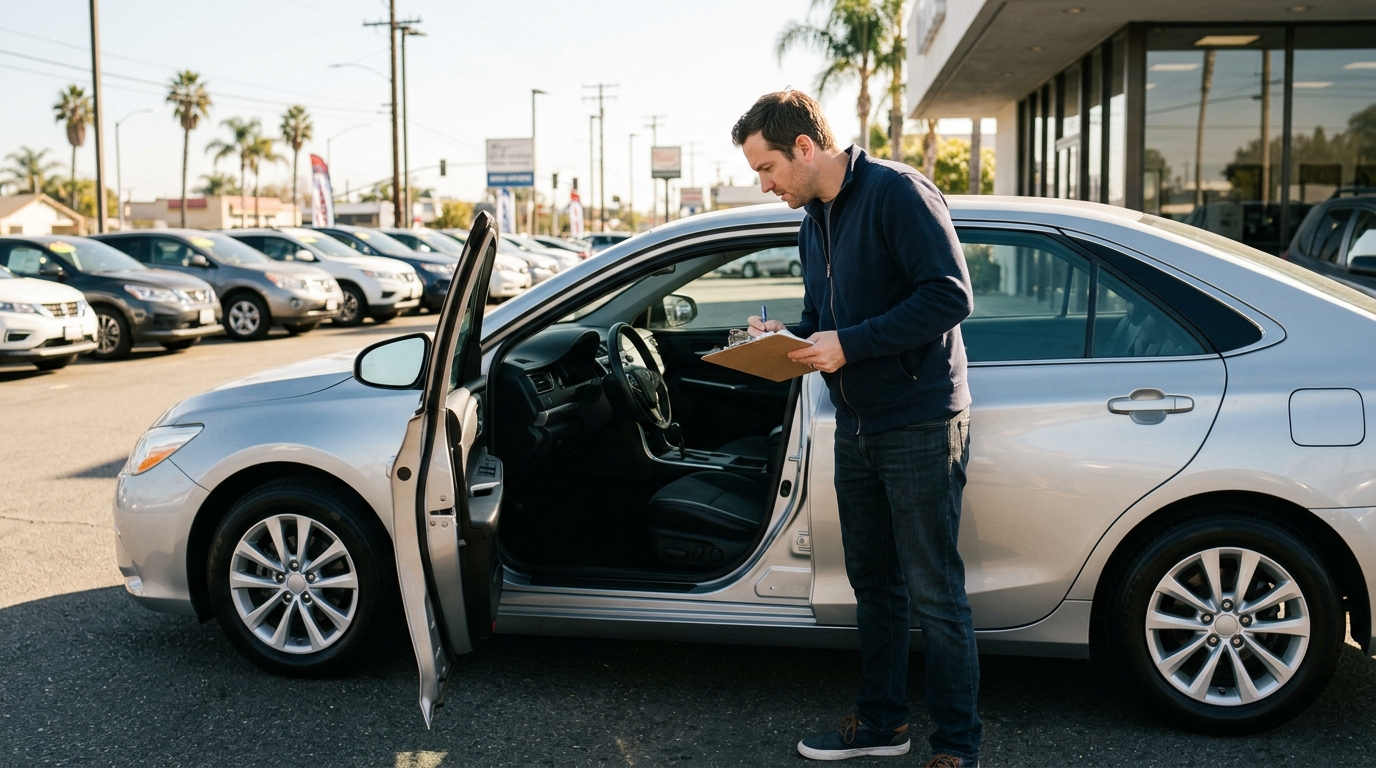
Even when the three-day rule applies, it is still better to inspect the vehicle before signing.
Review its history. Check for open recalls. Test the main features. Consider having a qualified independent mechanic inspect a used vehicle when practical.
The cancellation right is a safety net. It should not replace normal car-buying research.
Dealer Pricing and Add-On Rules Are Also Changing
The CARS Act goes beyond vehicle returns.
Dealers must provide clearer pricing when they advertise or communicate about a specific vehicle.
The law is designed to reduce situations where a shopper sees one price online but learns about mandatory dealer charges only after spending hours at the dealership.
It also targets misleading financing claims and unnecessary products added during the final paperwork stage.
These changes can matter just as much as the cancellation rule because small add-ons can create large costs over a long loan.
The Total Price Should Appear Earlier in the Shopping Process
When a dealer advertises a specific vehicle, the CARS Act requires clearer disclosure of the total price under the law.
The same idea applies when the dealer first communicates in writing about that vehicle or its financing.
Consumers should not need to reach the finance office before learning that mandatory dealer-installed products have changed the price.
Government charges such as taxes and registration fees can receive different treatment. Optional products should also remain separate when they are truly optional.
This makes it important to compare the correct number when shopping between dealerships.
Do not compare only monthly payments.
A dealer can make a payment look smaller by stretching the loan over more months. That can increase the total interest paid and keep the buyer in debt longer.
Ask for the vehicle price, down payment, annual percentage rate, loan term, monthly payment, and total amount financed.
Then compare the complete deal.
This is especially important when shopping for an electric vehicle. Buyers should consider purchase price together with charging access, insurance, maintenance, and normal driving patterns.
Our California EV charger rules 2026 guide explains how public charging reliability and payment standards are also changing for California EV drivers.
How California Car Buyers Can Use the New Rules
A stronger law does not remove the need to read a contract.
Dealership transactions still include many moving parts. A customer may be discussing the vehicle price, trade-in, financing, service contract, GAP coverage, paint protection, theft products, and other items during the same visit.
Separate those decisions whenever possible.
First, understand the price of the car. Then look at financing. Finally, decide whether any optional product provides enough value to justify its cost.
This approach makes it harder for unnecessary extras to disappear inside one monthly payment.
A Practical Checklist Before Signing at a California Dealer

Start with the advertised vehicle price. Save the advertisement or screenshot before visiting the dealership.
Ask the dealer to identify the total price and explain anything that changed from the advertisement.
Next, review every add-on.
The CARS Act requires clearer disclosure that optional add-ons are optional. Dealers also cannot charge consumers for certain products that provide no meaningful benefit.
An obvious example would be charging an electric-vehicle buyer for an oil-change package that the vehicle cannot use.
Do not accept a product simply because a salesperson describes it as part of “the package.” Ask whether it is required by law, required by the lender, already installed by the manufacturer, or optional.
Financing deserves the same attention.
A low monthly payment can hide a long loan term. Compare the annual percentage rate and total finance cost rather than focusing only on what leaves your bank account each month.
If you have a trade-in, negotiate carefully. Know its approximate market value before arriving.
Finally, read the cancellation disclosure if you are buying a qualifying used vehicle.
Know exactly when the three-day period ends. Understand the mileage restriction. Find out where the car must be returned and what restocking charge may apply.
What to Do if a Dealer Does Not Follow the New Rules
Start by documenting the issue.
Keep advertisements, text messages, emails, financing offers, contracts, add-on disclosures, receipts, and cancellation documents.
If a price changed, save evidence of the earlier advertised amount.
If an optional product appeared on the contract without your approval, identify the exact charge and ask the dealer to explain it in writing.
For a cancellation dispute, follow the written return process carefully. Do not wait until the final hour if the vehicle qualifies for the three-day right.
California DMV accepts complaints involving licensed vehicle dealers. The agency can also help consumers verify whether a dealership holds a valid occupational license.
Other consumer agencies or legal resources may be appropriate depending on the dispute.
The goal should be to create a clear record rather than relying on a verbal argument in the showroom.
The California CARS Act 2026 gives motorists stronger protections at an expensive point in their lives.
The law took effect October 1 and changes several parts of the dealership process. Qualifying used vehicles priced at $50,000 or less now receive a three-day cancellation right. Dealers also face clearer rules for advertising prices, financing representations, and optional add-ons.
These protections can make car shopping easier to understand. They do not make every deal automatically good.
Buyers should still research the vehicle, compare financing, inspect used cars, check recalls, understand insurance costs, and read every document before signing.
For used-car buyers, the new cancellation period adds valuable breathing room. Use it carefully. Avoid unnecessary mileage and preserve the vehicle’s condition until you are certain the purchase works for you.
For new-car buyers, remember that the new law does not create the same three-day cooling-off right.
The strongest approach is still to understand the deal before driving away.
For official eligibility rules, pricing requirements, cancellation conditions, and dealer complaint information, review the California DMV’s current CARS Act guidance before buying or leasing a vehicle.